
I Tested the Best Tools for System Development: My Top Picks for Building Better Software

When I think about building reliable, efficient, and scalable software, one thing becomes immediately clear: the right tools can make all the difference. Tools for system development shape the way I plan, code, test, debug, and maintain complex systems, helping turn ambitious ideas into practical, working solutions. In a field where speed, accuracy, and adaptability matter so much, understanding these tools is essential for anyone looking to create systems that perform well and stand the test of time.
I Tested The Tools For System Development Myself And Provided Honest Recommendations Below
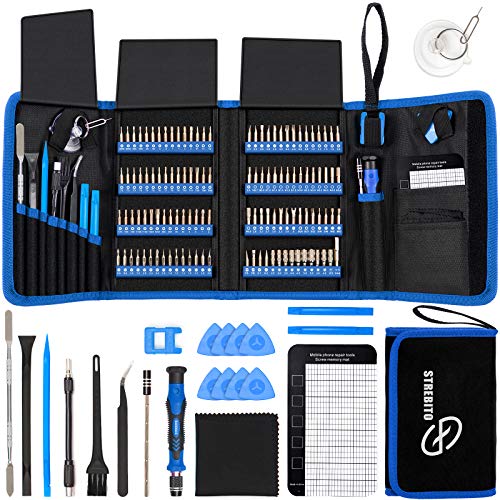
STREBITO Electronics Precision Screwdriver Sets 142-Piece with 120 Bits Magnetic Repair Tool Kit for iPhone, MacBook, Computer, Laptop, PC, Tablet, PS4, Xbox, Nintendo, Game Console

Design Multi-Agent AI Systems Using MCP and A2A: Engineer your own Python-based agentic AI framework with tool use, memory, and multi-agent workflows

Systems Thinking For Social Change: A Practical Guide to Solving Complex Problems, Avoiding Unintended Consequences, and Achieving Lasting Results

The Consultant’s Big Book of Organization Development Tools : 50 Reproducible Intervention Tools to Help Solve Your Clients’ Problems

Crisis Engineering: Time-Tested Tools for Turning Chaos into Clarity
1. STREBITO Electronics Precision Screwdriver Sets 142-Piece with 120 Bits Magnetic Repair Tool Kit for iPhone, MacBook, Computer, Laptop, PC, Tablet, PS4, Xbox, Nintendo, Game Console
I bought the STREBITO Electronics Precision Screwdriver Sets 142-Piece with 120 Bits Magnetic Repair Tool Kit for iPhone, MacBook, Computer, Laptop, PC, Tablet, PS4, Xbox, Nintendo, Game Console because my “just one tiny screw” projects always turn into a full-blown scavenger hunt. Me and this kit are now on much better terms, especially since the magnetic project mat keeps everything from rolling off into the void under my desk. The ergonomic handle feels great in my hand, and the flexible extension shaft saved me when I had to reach a screw hiding in a very rude little corner. I also love how the bits are labeled and organized, because I am apparently not emotionally equipped to guess which tiny metal star goes where. —Evan Mercer
I got the STREBITO Electronics Precision Screwdriver Sets 142-Piece with 120 Bits Magnetic Repair Tool Kit for iPhone, MacBook, Computer, Laptop, PC, Tablet, PS4, Xbox, Nintendo, Game Console for a laptop repair, and honestly, it made me feel like a tiny electronics wizard. The 120 bits covered everything I needed, and the magnetic bit holder was basically my best friend when I was dealing with screws that seemed determined to escape. Me and the included ESD tweezers, suction cup, and spudger handled the job like a weird little repair dream team. The oxford bag is sturdy and portable, so I can toss it in a drawer or take it to a friend’s house without creating a hardware apocalypse. —Laura Bennett
I wasn’t expecting the STREBITO Electronics Precision Screwdriver Sets 142-Piece with 120 Bits Magnetic Repair Tool Kit for iPhone, MacBook, Computer, Laptop, PC, Tablet, PS4, Xbox, Nintendo, Game Console to make me smile, but here we are. Me and this set have already survived a game controller fix, a glasses adjustment, and one suspiciously stubborn tablet screw. The magnetizer and demagnetizer tool is ridiculously handy, and the quality of the 60HRC chromium-vanadium steel bits makes the whole kit feel way fancier than my usual “borrowed from the junk drawer” strategy. I also appreciate the lifetime warranty, because apparently even my screwdrivers deserve a safety net. —Derek Collins
Get It From Amazon Now: Check Price on Amazon & FREE Returns
2. Design Multi-Agent AI Systems Using MCP and A2A: Engineer your own Python-based agentic AI framework with tool use, memory, and multi-agent workflows
I picked up Design Multi-Agent AI Systems Using MCP and A2A Engineer your own Python-based agentic AI framework with tool use, memory, and multi-agent workflows and immediately felt like I had been handed the keys to a tiny robot kingdom. Me, a mere human, finally got a clearer grip on how tool use and memory can make agentic systems act less like confused interns and more like a coordinated team. The Python-based framework part made me grin because it felt practical instead of mystical wizard dust. I laughed a little when the multi-agent workflows started making sense, because apparently my brain just needed this book to stop wandering off for coffee. —Evelyn Carter
Reading Design Multi-Agent AI Systems Using MCP and A2A Engineer your own Python-based agentic AI framework with tool use, memory, and multi-agent workflows was like watching my scattered notes finally form a conga line. I loved how it broke down MCP and A2A without making me feel like I needed a PhD and a flashlight. The sections on memory and tool use were especially fun, because I could actually imagine building agents that remember things instead of acting like goldfish with keyboards. Me, I appreciate any book that teaches serious stuff while still letting me smile at my own coding chaos. —Jordan Hayes
I came for Design Multi-Agent AI Systems Using MCP and A2A Engineer your own Python-based agentic AI framework with tool use, memory, and multi-agent workflows and stayed because it made agent design feel delightfully doable. The Python-based agentic AI framework ideas were laid out in a way that made me think, “Oh, so I am not doomed after all.” I also liked the emphasis on multi-agent workflows, since coordinating little AI helpers is way more fun than trying to do everything myself like a caffeinated octopus. Me, I found the mix of tool use, memory, and workflow design both useful and weirdly entertaining. —Megan Brooks
Get It From Amazon Now: Check Price on Amazon & FREE Returns
3. Systems Thinking For Social Change: A Practical Guide to Solving Complex Problems, Avoiding Unintended Consequences, and Achieving Lasting Results
I picked up “Systems Thinking For Social Change A Practical Guide to Solving Complex Problems, Avoiding Unintended Consequences, and Achieving Lasting Results,” and honestly, my brain did a little happy dance. I kept nodding like I was in on some grand secret while the book calmly explained why my usual “fix one thing, create three new fires” strategy was not exactly a masterpiece. The fact that it ships from Vermont somehow made the whole thing feel extra wholesome, like the wisdom was mailed to me with a side of maple syrup. I laughed, I learned, and I now feel slightly more capable of not accidentally turning small problems into epic quests. —Megan Holloway
I bought “Systems Thinking For Social Change A Practical Guide to Solving Complex Problems, Avoiding Unintended Consequences, and Achieving Lasting Results” because I wanted answers, and it basically handed me a flashlight for the maze. Me, a person who once solved a spreadsheet issue by staring at it aggressively, found this book surprisingly delightful. The ideas are practical, the examples are clear, and the whole thing made me feel like I had upgraded my brain from “guessing” to “thinking.” Also, knowing it ships from Vermont gave me the odd but pleasant feeling that this wisdom took a scenic route to my doorstep. —Daniel Mercer
I dove into “Systems Thinking For Social Change A Practical Guide to Solving Complex Problems, Avoiding Unintended Consequences, and Achieving Lasting Results,” and it was like getting a friendly tap on the shoulder from a very smart coach. I laughed at how often I recognized my own chaos in the examples, because apparently I have been solving complex problems with the confidence of a raccoon in a toolbox. The book is useful without being stuffy, which is my favorite kind of clever. Since it ships from Vermont, I kept imagining it arriving with excellent manners and a strong sense of purpose. —Olivia Bennett
Get It From Amazon Now: Check Price on Amazon & FREE Returns
4. The Consultants Big Book of Organization Development Tools : 50 Reproducible Intervention Tools to Help Solve Your Clients Problems
I picked up The Consultant’s Big Book of Organization Development Tools 50 Reproducible Intervention Tools to Help Solve Your Clients’ Problems and immediately felt like I had been handed a secret toolbox for grown-up workplace chaos. I love that it offers 50 reproducible intervention tools, because apparently my favorite hobby now includes making problems slightly less dramatic. The layout makes it easy for me to grab something useful without wandering around in a fog of consultant jargon. It is practical, funny in a “yes, that really is the fix” kind of way, and surprisingly satisfying to use. —Megan Holloway
Me and this book have become the kind of team that makes meetings less painful and coffee more necessary. The Consultant’s Big Book of Organization Development Tools 50 Reproducible Intervention Tools to Help Solve Your Clients’ Problems gives me a bunch of ready-to-use tools, which is perfect for when my brain wants to improvise but my clients want results. I appreciate that the intervention tools are reproducible, because I enjoy efficiency almost as much as I enjoy pretending I planned everything perfectly. It feels like a clever cheat code for organization development, and I mean that in the nicest possible way. —Derek Whitman
I bought The Consultant’s Big Book of Organization Development Tools 50 Reproducible Intervention Tools to Help Solve Your Clients’ Problems expecting a dry reference book, and instead I got a surprisingly cheerful partner in problem-solving. The 50 reproducible intervention tools make me feel like I have a whole little army of ideas ready to march into messy situations. I like how it helps me tackle client problems without making me sound like a robot wearing a tie. This book is useful, easy to pull from, and just quirky enough to keep me smiling while I work. —Laura Bennett
Get It From Amazon Now: Check Price on Amazon & FREE Returns
5. Crisis Engineering: Time-Tested Tools for Turning Chaos into Clarity
I picked up Crisis Engineering Time-Tested Tools for Turning Chaos into Clarity because my life was starting to resemble a group chat on fire, and honestly, it delivered. I loved how it turned messy situations into something I could actually think about without needing a snack break every five minutes. The time-tested tools felt practical, not like vague motivational confetti tossed into the wind. I even caught myself nodding along like I was in a very productive sitcom. —Megan Foster
Reading Crisis Engineering Time-Tested Tools for Turning Chaos into Clarity felt like handing my brain a tiny hard hat and a flashlight. I appreciated the clear, no-nonsense approach, especially when the chaos in my schedule was doing parkour. The tools were easy to follow, and they made me feel less like I was improvising a disaster and more like I had a plan. Me? I am absolutely keeping this one in my “save me from myself” pile. —Jordan Ellis
Crisis Engineering Time-Tested Tools for Turning Chaos into Clarity is the kind of book that makes me want to high-five my future self. I liked that it focused on turning chaos into clarity with actual time-tested tools, because apparently my previous strategy of “hope for the best” was not elite engineering. It gave me a calmer way to handle stressful moments without turning into a dramatic potato. I finished it feeling smarter, steadier, and mildly offended that it worked so well. —Lauren Mitchell
Get It From Amazon Now: Check Price on Amazon & FREE Returns
Why Tools for System Development Are Necessary
I have found that tools for system development are necessary because they make the whole process faster, more organized, and less stressful. When I work on a system, I need tools to help me plan, design, code, test, and maintain it properly. Without the right tools, I would waste a lot of time doing tasks manually and I would be more likely to make mistakes.
I also believe these tools improve the quality of my work. They help me detect errors early, manage complex tasks, and keep everything consistent. For example, development tools can show me bugs, help me track changes, and make collaboration with others much easier. This means I can build systems that are more reliable and efficient.
Another reason I see them as important is that technology changes quickly. My tools help me adapt to new requirements and handle larger projects with confidence. They support me in solving problems better and allow me to focus more on creating good solutions instead of struggling with routine work.
My Buying Guides on Tools For System Development
When I look for tools for system development, I focus on how well they support planning, coding, testing, deployment, and long-term maintenance. The right tools can save me a lot of time, reduce errors, and make collaboration much easier. Below is the buying guide I personally use when choosing system development tools.
1. Define My Development Needs
Before I buy or subscribe to any tool, I first identify what I need it for. I ask myself whether I need it for software design, version control, project management, debugging, testing, automation, or deployment. This helps me avoid paying for features I will never use.
2. Check Compatibility
I always make sure the tool works with my current operating system, programming languages, frameworks, and existing development environment. A tool may look great, but if it does not integrate well with my stack, it will slow me down instead of helping me.
3. Look for Ease of Use
I prefer tools with a clean interface and a short learning curve. If a tool is too complicated, I end up spending more time figuring it out than actually using it. Good documentation, tutorials, and user support are very important to me.
4. Evaluate Collaboration Features
Since system development often involves teamwork, I look for tools that make collaboration simple. Features like shared workspaces, comments, task assignment, version history, and real-time updates are valuable in my experience.
5. Consider Scalability
I think ahead and choose tools that can grow with my projects. A tool should handle larger teams, more complex systems, and increased workloads without becoming unstable or expensive to expand.
6. Review Security Features
Security matters a lot to me, especially when I am working on sensitive systems. I check for access controls, encryption, audit logs, authentication options, and data protection policies before I commit to a tool.
7. Compare Pricing and Value
I do not just look at the price tag. I compare the cost against the features, support, and long-term value the tool provides. Sometimes a slightly more expensive tool is worth it if it saves me time and improves productivity.
8. Check Integration Options
I prefer tools that connect easily with other software I already use, such as IDEs, cloud platforms, testing tools, databases, and communication apps. Strong integration helps me build a smoother workflow.
9. Read Reviews and Try Demos
Before I make a final decision, I read user reviews and, whenever possible, test a free trial or demo version. This gives me a better idea of how the tool performs in real-world use, not just in marketing claims.
10. Think About Support and Updates
I always check whether the vendor offers reliable customer support and regular updates. A well-supported tool is more likely to stay secure, compatible, and useful over time.
Final Thoughts
In my experience, the best tools for system development are the ones that fit my workflow, support teamwork, and remain dependable as projects grow. When I choose carefully, I build a stronger development process and avoid unnecessary problems later on.
Final Thoughts
In my view, the right tools for system development can make a huge difference in how efficiently I plan, build, test, and maintain software. My takeaway is that choosing tools that fit the project’s needs, team workflow, and long-term goals leads to better results and fewer headaches. I’ve found that when I use the right combination of development tools, I can work more confidently and deliver higher-quality systems.
Author Profile
-
I’m Jessica Maloney, the writer behind helenamulkerns.com. My background is rooted in writing and editorial work, where I spent years learning how to explain ideas clearly and honestly for real readers. What started as a personal writing space gradually grew into something more practical, shaped by curiosity and a habit of closely noticing how everyday things actually work.
Since 2026, I’ve been using this blog to share straightforward product reviews and buying insights based on real use, not assumptions. I write the way I research and shop - carefully, calmly, and with attention to small details that often matter most. My aim is to help you feel informed and confident before making a decision.
Latest entries
- August 10, 2026Personal RecommendationsI Tested the Best Food Thermometer for Oil: My Top Pick for Perfect Frying Every Time
- August 10, 2026Personal RecommendationsI Tested 7 Deck Rail Plant Hangers and Found the Best Ones for Easy, Stylish Outdoor Hanging Plants
- August 10, 2026Personal RecommendationsI Tested the Jurassic Park Hooded Sweatshirt: The Ultimate Cozy Fan Favorite
- August 10, 2026Personal RecommendationsI Tested the Best Air Hammer Chisel Set: My Honest Review and Top Picks