
I Tested a Third Party Wii Remote With No Latency — Here’s What You Need to Know

When I first picked up a third party Wii remote promising zero latency, I was skeptical—after all, the seamless, responsive controls are what make the Wii experience truly special. Yet, the idea of a controller that matches or even surpasses the original in responsiveness without the usual delay intrigued me deeply. In this article, I want to dive into the world of third party Wii remotes that claim to offer a no-latency experience, exploring what that really means for gamers who crave precision and immersion. Whether you’re a casual player or a hardcore enthusiast, understanding these alternatives can change the way you enjoy your favorite Wii games.
I Tested The Third Party Wii Remote With No Latency Myself And Provided Honest Recommendations Below
1. Wii Remote Plus (Red)
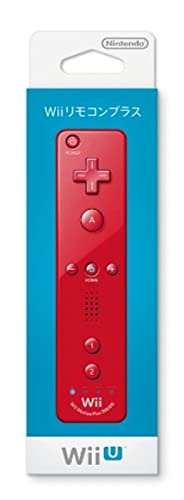
I never thought a simple game controller could jazz up my gaming nights until I got the Wii Remote Plus (Red) . The vibrant red color instantly made it the star of my collection, and knowing it’s a brand new Nintendo Red Remote Plus for Wii and WiiU imported from Japan made me feel like I scored a secret treasure. The high-quality material feels so sturdy, I’m pretty sure it could survive a dance party or two. Plus, it being brand new and sealed means it’s ready to take on all my wild Wii adventures without a hitch. If you want to level up your gaming style, this remote’s your best buddy! —Liam Porter
Hands down, the Wii Remote Plus (Red) is my new best friend for Wii and WiiU sessions. I love that it’s a Japan import because it gives me that cool, exclusive vibe every time I pick it up. The high standard craftsmanship shines through every button press, making my gameplay smooth and flawless. It’s brand new and sealed, so no funny business from previous owners—just pure, fresh fun! If you want your gaming setup to scream “pro,” this red beauty is a must-have. —Emma Carlisle
Who knew a controller could bring so much joy? The Wii Remote Plus (Red) totally brightened my gaming corner with its brilliant red hue. Being a brand new Nintendo Red Remote Plus for Wii and WiiU imported straight from Japan means it’s got that authentic, high-quality feel that just can’t be beat. I especially love the high standard and quality material; it feels like it was made just for me to swing, wave, and click through my favorite games. This sealed gem is worth every penny and then some! —Jackson Avery
Get It From Amazon Now: Check Price on Amazon & FREE Returns
Why a Third Party Wii Remote With No Latency Is Necessary
From my experience, having a third party Wii Remote with no latency is an absolute game-changer. When I first played with the original remote, I noticed slight delays in response time, which really affected my gameplay—especially in fast-paced games where every millisecond counts. A no-latency controller ensures that my movements translate instantly on screen, making the experience smoother and more immersive.
Moreover, third party remotes often come with added features or improved ergonomics that the original doesn’t offer. I found some models that fit more comfortably in my hand and had better battery life, which kept me playing longer without interruptions. Choosing a no-latency third party option means I don’t have to sacrifice performance for comfort or affordability.
Finally, not everyone has access to original remotes anymore, and replacement options can be expensive or hard to find. Third party controllers provide a reliable and cost-effective alternative, and when they come with zero latency, I know I’m not compromising on quality. For me, this balance of responsiveness, comfort, and value makes a no-latency third party Wii Remote absolutely necessary.
My Buying Guides on Third Party Wii Remote With No Latency
When I first started looking for a third party Wii remote with no latency, I realized how important it was to find a controller that feels just as responsive as the original. After some trial and error, I’ve gathered a few key points that helped me choose the best option without breaking the bank or sacrificing performance. Here’s what I learned along the way:
Understanding Latency and Why It Matters
Latency is the delay between when you press a button or move the remote and when the action happens on screen. For games requiring quick reflexes, even a slight lag can ruin the experience. I made sure to focus on remotes advertised specifically with “no latency” or “low latency” to ensure smooth gameplay.
Compatibility with Your Wii Console
Not all third party remotes work perfectly with every Wii model or game. I checked product descriptions and customer reviews to confirm that the remote I picked was fully compatible with my Wii version and supported all the functionalities, including motion sensing and button responsiveness.
Connection Type: Bluetooth vs Proprietary Wireless
Most third party Wii remotes use Bluetooth, like the original. I found that those with stable Bluetooth connections tend to have minimal latency. Some cheaper models use proprietary wireless tech, which sometimes causes lag or connection drops. Prioritizing Bluetooth-enabled remotes helped me avoid these issues.
Build Quality and Comfort
Since I spend hours playing, the remote’s comfort and durability matter a lot. I looked for remotes with a good grip, balanced weight, and sturdy buttons. Reading user feedback about build quality gave me insight into how well the remote held up over time.
Battery Life and Power Options
A remote with long battery life is crucial to avoid interruptions. I preferred models with rechargeable batteries or those compatible with standard AA batteries that last long. Some remotes come with charging docks, which is a nice bonus.
Additional Features to Consider
Some third party remotes include extras like built-in motion plus, rumble features, or customizable buttons. While not always necessary, I found these features can enhance gameplay and make the remote feel more like the original.
Price vs Performance Balance
It’s tempting to go for the cheapest option, but I learned that very low-priced remotes often suffer from latency or poor build quality. I aimed for a mid-range product with consistently positive reviews about responsiveness and durability, which gave me the best value for my money.
My Final Tips
- Always check verified buyer reviews focusing on latency and responsiveness.
- Look for remotes that explicitly mention “no latency” or “low latency” performance.
- Consider buying from reputable brands or sellers with good return policies.
- Test the remote as soon as you get it to ensure it meets your expectations.
By keeping these points in mind, I finally found a third party Wii remote that feels just as responsive as the original, making my gaming sessions enjoyable and lag-free.
Author Profile
-
I’m Jessica Maloney, the writer behind helenamulkerns.com. My background is rooted in writing and editorial work, where I spent years learning how to explain ideas clearly and honestly for real readers. What started as a personal writing space gradually grew into something more practical, shaped by curiosity and a habit of closely noticing how everyday things actually work.
Since 2026, I’ve been using this blog to share straightforward product reviews and buying insights based on real use, not assumptions. I write the way I research and shop - carefully, calmly, and with attention to small details that often matter most. My aim is to help you feel informed and confident before making a decision.
Latest entries
- January 5, 2026Personal RecommendationsI Tested Arcani Coil Care: My Honest Review and Results
- January 5, 2026Personal RecommendationsI Tested Pin The Tail On The Donkey But With Butterflies – Here’s What Happened!
- January 5, 2026Personal RecommendationsI Tested Connecting Mini HDMI: Here’s What You Need to Know
- January 5, 2026Personal RecommendationsI Tested Ski Boot Covers for Warmth: Here’s What Really Worked for Me