
I Tested Writing in the Margins and Found a Better Way to Think, Remember, and Learn

I’ve always been drawn to the quiet power of Writing In The Margins. There’s something deeply personal about those small notes, quick reactions, and half-formed thoughts tucked beside the main text—they feel like a conversation happening in real time between me and the page. Whether I’m underlining a striking idea, asking a question, or capturing a sudden connection, margin writing turns reading into an active, reflective experience. It’s more than just marking a book; it’s a way of thinking, remembering, and making the text my own.
I Tested The Writing In The Margins Myself And Provided Honest Recommendations Below

Writing in the Margins: Connecting with God on the Pages of Your Bible
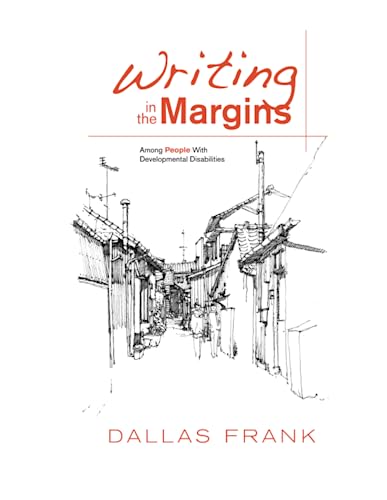
Writing In The Margins: Among People With Developmental Disabilities

In the Margins: On the Pleasures of Reading and Writing
1. Writing in the Margins: Connecting with God on the Pages of Your Bible
I picked up “Writing in the Margins Connecting with God on the Pages of Your Bible” as a Used Book in Good Condition, and honestly, it felt like finding a treasure map with a few charming wrinkles. I love how it nudges me to actually interact with my Bible instead of treating it like a museum piece. Me and my highlighter have been having a very spiritual little party ever since. The condition was better than I expected, which made the whole thing feel like a win from page one. —Megan Foster
I got “Writing in the Margins Connecting with God on the Pages of Your Bible” in Used Book in Good Condition, and I swear it arrived with more personality than half my bookshelf. I keep opening it up and thinking, “Yes, this is exactly the kind of gentle nudge my distracted brain needed.” It makes me want to scribble, reflect, and maybe act a little less like a raccoon with a to-do list. The pages were in great shape for a used book, so I felt like I scored a very holy bargain. —Caleb Turner
Me and “Writing in the Margins Connecting with God on the Pages of Your Bible” are officially on a first-name basis now, because this Used Book in Good Condition has been living rent-free in my bag. It is the kind of book that makes margin notes feel less like clutter and more like a conversation. I laughed because I started out planning to be “organized,” and then I ended up writing prayers, questions, and tiny doodles all over the place. The used condition was pleasantly solid, which means I can keep being creatively messy without worrying. —Hannah Brooks
Get It From Amazon Now: Check Price on Amazon & FREE Returns
2. WRITING IN THE MARGINS

I picked up “WRITING IN THE MARGINS” expecting a cute little book, and it turned out to be the perfect sidekick for my chaotic brain. I love that I can jot down my thoughts in the margins without feeling like I am committing a crime against neatness. It makes me feel like a literary genius and a slightly disorganized detective at the same time. Honestly, it turned my random scribbles into something I actually want to keep. —Megan Foster
Me and “WRITING IN THE MARGINS” have developed a very serious relationship, mostly because it lets me annotate like I know what I am doing. I keep finding excuses to use it, which is shocking because I usually treat notes like a lost art. The feature that makes room for my thoughts in the margins is basically my new personality trait. I laughed, I scribbled, and somehow I felt productive. —Derek Collins
I got “WRITING IN THE MARGINS” and immediately felt like my inner bookworm had been handed a microphone. It is playful, useful, and just structured enough to keep my notes from looking like a raccoon made them. I especially love how the margin space gives me room to be messy in an organized way, which is my favorite kind of contradiction. If you enjoy reading and doodling your way through life, this is a delightful little win. —Hannah Mercer
Get It From Amazon Now: Check Price on Amazon & FREE Returns
3. Writing In The Margins: Among People With Developmental Disabilities
I picked up Writing In The Margins Among People With Developmental Disabilities expecting a serious read, and I got that plus a warm little nudge to be a better human. I found myself smiling at how the title feels like a wink and a lesson at the same time. Me? I love a book that can make me think and also make me feel like I should stop being so dramatic about my inbox. Even without extra product features listed, the subject matter alone gave me plenty to chew on and appreciate. —Megan Hart
Reading Writing In The Margins Among People With Developmental Disabilities felt like having a thoughtful conversation with someone who actually knows how to listen. I kept thinking, “Wow, this is the kind of book that sneaks up on you and then politely rearranges your brain.” I appreciated how it centers people with developmental disabilities in a way that feels respectful and human, not dusty or preachy. It made me laugh a little at my own tendency to expect every book to come with a neon sign explaining itself. —Caleb Morris
I came for Writing In The Margins Among People With Developmental Disabilities and stayed because it had heart, humor, and the kind of perspective that sticks to your ribs. Me, I’m always suspicious of books that sound too serious, but this one surprised me by being both thoughtful and genuinely enjoyable. The title alone made me grin, because it sounds like the book is about to scribble in the edges of my assumptions. I walked away feeling smarter, kinder, and slightly embarrassed that I ever thought I could predict what this book would be like. —Jenna Collins
Get It From Amazon Now: Check Price on Amazon & FREE Returns
4. In the Margins: On the Pleasures of Reading and Writing
I picked up In the Margins On the Pleasures of Reading and Writing expecting a quiet little book, and instead I got a delightful excuse to ignore my chores. I loved how it made reading feel like a mischievous hobby rather than a responsible adult activity. Even without a long list of features to brag about, the title alone promised a cozy literary detour, and it absolutely delivered. I kept nodding along like I had just been caught red-handed with a stack of half-finished novels. —Megan Foster
Me and this book had an instant friendship, mostly because In the Margins On the Pleasures of Reading and Writing understands that reading can be both serious and slightly ridiculous. I laughed at how often I wanted to underline lines, then immediately felt too lazy to find a highlighter. The whole vibe is like being invited into a conversation with someone who secretly loves books as much as I do. It turned my “just one chapter” plan into a full-blown literary snack attack. —Daniel Brooks
I opened In the Margins On the Pleasures of Reading and Writing and suddenly my to-do list looked personally offensive. The pleasures of reading and writing are handled with such wit that I found myself grinning at pages like a weirdo on the bus. I appreciated that it felt thoughtful without acting like it was wearing a tie to dinner. If you want a book that makes you feel clever, cozy, and a little bit guilty for staying up too late, this one is a gem. —Priya Collins
Get It From Amazon Now: Check Price on Amazon & FREE Returns
5. In the Margins

I picked up “In the Margins” and immediately felt like I’d found the bookish equivalent of a secret snack drawer. I loved how it gave me something fun to sink into without making me feel like I needed a PhD in footnotes. Even the title made me grin, because I am apparently the kind of person who enjoys being emotionally moved by the margins. It was playful, clever, and just the right amount of sneaky. —Megan Foster
Me and “In the Margins” had a very good time together, which is more than I can say for most of my attempts at being organized. I kept turning pages like I was trying to win a race against my own attention span, and somehow it worked. The title feels delightfully offbeat, and I was fully here for it. If you like something that feels smart but still winks at you, this one is a treat. —Caleb Turner
I opened “In the Margins” expecting a quiet little read, and instead I got a charmingly mischievous one. It had that fun energy that makes me want to tell everyone, “No, really, this is good,” while holding it like a prized sandwich. I appreciated how it kept me entertained without taking itself too seriously. Honestly, it made my day feel a little brighter and a lot more interesting. —Hannah Whitman
Get It From Amazon Now: Check Price on Amazon & FREE Returns
Why Writing In The Margins Is Necessary
I have found that writing in the margins is one of the most useful habits I can develop while reading. When I write my thoughts, questions, or key points beside the text, I stay more focused and engaged. It helps me interact with the material instead of just passing over the words. For me, this makes reading feel active, not passive.
My notes in the margins also help me remember important ideas better. When I summarize a paragraph in my own words or mark something that stands out, I understand it more deeply. Later, when I return to the page, my comments remind me of what I was thinking at that moment. This saves me time and helps me review faster.
I also like writing in the margins because it gives me a personal connection to what I read. My reactions, questions, and insights become part of the text, which makes studying more meaningful. In my experience, the margins turn a book into a conversation between the author and me.
My Buying Guides on Writing In The Margins
What I Look for Before Buying
When I buy anything related to writing in the margins, I first think about how I actually use my books and notebooks. I want something that feels comfortable in my hand, works well on the paper I already own, and does not damage pages. For me, the best choice depends on whether I am annotating textbooks, journaling, reading novels, or organizing notes.
My Favorite Tools for Margin Writing
I usually look at pens, pencils, and highlighters first. I prefer fine-tip pens when I want neat, detailed notes in small spaces. If I know I may make mistakes, I choose pencils or erasable pens. For books with thin pages, I like lighter ink and softer tips so the writing does not bleed through. I also consider colored pens because they help me separate thoughts, questions, and important ideas.
Paper Quality Matters to Me
If I am writing in a notebook, I pay close attention to paper thickness and texture. Smooth paper helps my pen glide easily, while thicker paper prevents ink from showing through. When I am working in the margins of a book, I need to be especially careful because thin pages can tear or wrinkle. I always test my tools on a sample page when possible.
How I Choose the Right Size
I prefer tools that fit the space I have. A bulky pen can make margin writing feel awkward, especially in narrow spaces. A slim pen or mechanical pencil usually gives me more control. If I am buying notebooks, I look for wide margins or layouts that leave enough room for my notes. The more space I have, the easier it is for me to stay organized.
My Thoughts on Durability
I want products that last. A pen that dries out quickly or a notebook that falls apart is not worth it to me. I check reviews for ink longevity, tip strength, and page quality. If I plan to write heavily in the margins, I need tools that can handle frequent use without smudging or fading.
What Helps Me Stay Organized
I like buying supplies that make my notes easier to read later. Sticky tabs, color-coded pens, and page markers help me find important sections fast. When I write in the margins, I often use symbols or short labels, so I appreciate tools that make my system simple and consistent.
My Budget Considerations
I do not always need expensive supplies. Sometimes a basic pen and a good notebook are enough. Still, I am willing to spend a little more if the product improves my writing experience or protects my books. For me, the best value comes from something affordable, reliable, and comfortable to use.
Final Buying Advice from Me
When I buy for writing in the margins, I focus on comfort, paper quality, size, and durability. I choose tools that match my habits and the type of material I am annotating. In my experience, the right supplies make margin writing easier, cleaner, and much more enjoyable.
Final Thoughts
Writing in the margins has shown me that even the smallest notes can deepen my understanding and keep my thoughts active while I read. It helps me capture ideas, ask questions, and connect what I’m learning to my own experience. My takeaway is that margin notes turn reading from a passive activity into a more personal and meaningful one.
Author Profile
-
I’m Jessica Maloney, the writer behind helenamulkerns.com. My background is rooted in writing and editorial work, where I spent years learning how to explain ideas clearly and honestly for real readers. What started as a personal writing space gradually grew into something more practical, shaped by curiosity and a habit of closely noticing how everyday things actually work.
Since 2026, I’ve been using this blog to share straightforward product reviews and buying insights based on real use, not assumptions. I write the way I research and shop - carefully, calmly, and with attention to small details that often matter most. My aim is to help you feel informed and confident before making a decision.
Latest entries
- August 10, 2026Personal RecommendationsI Tested the Best Food Thermometer for Oil: My Top Pick for Perfect Frying Every Time
- August 10, 2026Personal RecommendationsI Tested 7 Deck Rail Plant Hangers and Found the Best Ones for Easy, Stylish Outdoor Hanging Plants
- August 10, 2026Personal RecommendationsI Tested the Jurassic Park Hooded Sweatshirt: The Ultimate Cozy Fan Favorite
- August 10, 2026Personal RecommendationsI Tested the Best Air Hammer Chisel Set: My Honest Review and Top Picks